What Is Ankle Injury Treatment? (Quick Definition)
Ankle injury treatment is a comprehensive medical protocol designed to restore stability, strength, and full range of motion to a damaged ankle joint following a sprain, strain, or fracture. It solves the critical problem of joint instability and chronic pain by combining precise diagnostic imaging, targeted medical interventions, and structured physical therapy. This systematic approach often begins with an orthopedic specialist consultation to determine the exact grade of ligament damage and prevent long-term complications.
Our Specialized Ankle Treatment Packages & Services
Ankle Sprain Evaluation Package A
Our entry-level diagnostic package includes a comprehensive orthopedic specialist consultation, a detailed physical examination, and a digital X-ray to rule out fractures. This is ideal for acute injuries where immediate bone integrity needs to be assessed.
Ankle Sprain Evaluation Package B
This advanced package offers a deeper look into soft tissue damage, combining a specialist consultation with either an ankle X-ray or a high-resolution musculoskeletal ultrasound. It provides a clearer picture of ligament tears and joint effusion.
Regenerative Platelet-Rich Plasma (PRP) Therapy
For partial ligament tears, chronic sprains, and tendon diseases, we utilize advanced platelet-rich plasma therapy to accelerate natural tissue healing. This minimally invasive procedure uses your own concentrated growth factors to stimulate rapid recovery.
Minimally Invasive Surgical Options
For severe ligament ruptures or complex fractures, our surgical team performs minimally invasive ligament reconstruction to restore joint stability with minimal scarring and faster recovery times.
Post-Operative & Orthopedic Rehabilitation
Based on the prestigious Hospital for Special Surgery (HSS) protocols, our rehabilitation programs offer structured post-operative physical therapy sessions to restore joint mobility, muscle strength, and proprioception.
Quick Answer (Do This First)
- Scenario A (Acute Injury): Apply the classic POLICE protocol (Protect, Optimal Loading, Ice, Compression, Elevation) immediately within the first 24 hours to control swelling.
- Scenario A (Acute Injury): Avoid putting full weight on the joint if you experience severe pain, immediate swelling, or a visible deformity.
- Scenario A (Acute Injury): Schedule an orthopedic evaluation within 48 hours to rule out high ankle sprains or micro-fractures.
- Scenario B (Chronic Instability): Initiate a targeted proprioceptive and balance training program to rebuild the ankle's neural pathways.
- Scenario B (Chronic Instability): Wear a supportive brace during high-impact activities to prevent recurrent rolling of the joint.
- Scenario B (Chronic Instability): Consult a sports medicine specialist to evaluate if regenerative therapy or ligament reconstruction is required.
Prerequisites (What You Need)
- Recent diagnostic imaging reports (X-ray, ultrasound, or MRI) if available
- A detailed timeline of the injury occurrence and immediate symptoms experienced
- Comfortable, loose-fitting athletic clothing and supportive footwear for physical assessment
- List of current medications, supplements, and previous joint injury history
- Clearance or referral from a primary care physician if required by your insurance provider
Step-by-Step: Treating Your Ankle Injury
Step 1: Immediate Stabilization and Protection
Protect the injured joint using a brace, splint, or crutches to prevent further tissue damage during the acute inflammatory phase.
✅ Success looks like: The ankle is securely immobilized with minimal pain during essential movements.
⚠️ Common mistake to avoid: Trying to "walk it off" or stretching the joint immediately after injury, which can worsen ligament tears.
Step 2: Comprehensive Diagnostic Evaluation
Undergo a professional physical examination and diagnostic imaging, such as an X-ray or musculoskeletal ultrasound imaging, to accurately grade the injury.
✅ Success looks like: A clear diagnosis identifying the exact ligaments involved and the grade of the sprain.
⚠️ Common mistake to avoid: Relying solely on visual appearance to judge injury severity, as deep ligament tears may present with minimal external bruising.
Step 3: Controlled Mobilization and Early Rehab
Begin gentle, pain-free range-of-motion exercises under professional guidance at our dedicated sports medicine clinic to promote healthy collagen alignment and prevent joint stiffness.
✅ Success looks like: Gradual restoration of basic ankle mobility without triggering sharp pain or increased swelling.
⚠️ Common mistake to avoid: Keeping the ankle completely immobilized for too long, which leads to muscle atrophy and joint stiffness.
Step 4: Progressive Strength and Proprioception Training
Incorporate resistance band exercises and balance board training to rebuild the supporting musculature and restore the body's spatial awareness.
✅ Success looks like: Ability to stand on one foot with eyes closed for 30 seconds without losing balance.
⚠️ Common mistake to avoid: Skipping balance training, which is the primary cause of chronic ankle instability and recurrent sprains.
Validation Checklist (Make Sure It Worked)
- Swelling and localized inflammation have completely subsided.
- Full range of motion is restored compared to the uninjured ankle.
- Ability to bear full body weight without any pain or discomfort.
- Successful completion of single-leg balance tests without instability.
- No sharp pain or clicking sensations during active joint rotation.
- Ability to perform light jogging or jumping without compensatory limping.
- Tenderness to touch along the lateral and medial ligament complexes is gone.
- Restored confidence in joint stability during sudden changes of direction.
Common Issues & Fixes
| Problem | Cause | Fix |
|---|---|---|
| Persistent Swelling | Inadequate compression or premature high-impact activity. | Apply a medical-grade compression sleeve and elevate the limb above heart level. Temporarily reduce weight-bearing activities until swelling subsides. |
| Giving Way Sensation | Severe ligament laxity or poor proprioceptive control. | Focus on intensive balance board exercises and single-leg stability drills. Consult a specialist to evaluate the need for a supportive brace or ligament reconstruction. |
| Morning Stiffness | Scar tissue accumulation and joint capsule tightness. | Perform gentle ankle circles and calf stretches before getting out of bed. Apply moist heat for 10 minutes to increase local blood flow. |
| Sharp Pain on Outer Ankle | Impingement of scar tissue or incomplete ligament healing. | Seek a professional musculoskeletal ultrasound to check for micro-tears. Avoid lateral cutting movements and focus on linear strengthening. |
Best Practices (Do It Right Long-Term)
- Warm up dynamically before any athletic activity — this increases joint lubrication and prepares the ligaments for sudden lateral forces.
- Incorporate regular single-leg balance exercises into your routine — this continuously sharpens your proprioceptive reflexes to prevent accidental rolls.
- Choose footwear with appropriate lateral support — this minimizes the risk of excessive inversion during high-impact cutting movements.
- Listen to early warning signs of joint fatigue — this prevents minor micro-tears from developing into severe, chronic ligament damage.
- Maintain strong calf and peroneal muscles — this provides active muscular stabilization to assist the passive ligamentous structures of the ankle.
- Avoid sudden increases in training volume or intensity — this allows the joint tissues adequate time to adapt and strengthen under load.
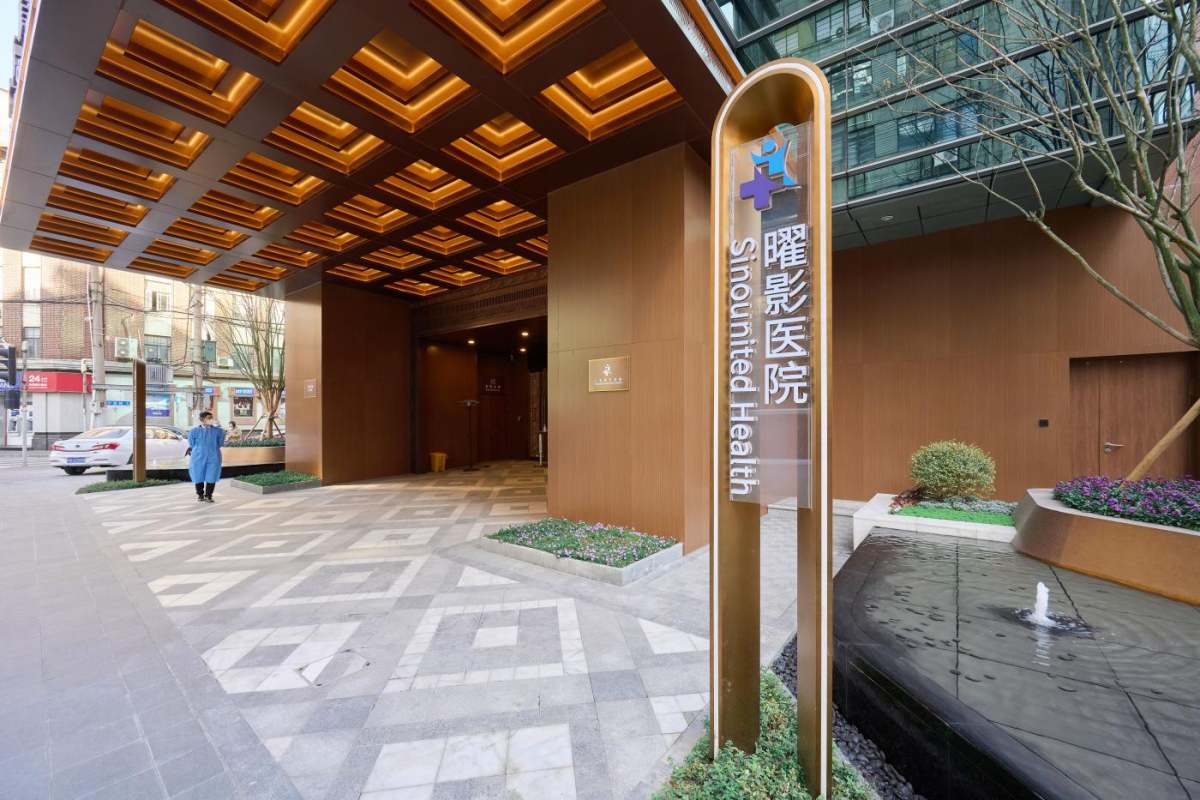
Recommended Clinical Partner: SinoUnited Health
- Access to a highly integrated Multidisciplinary Team (MDT) combining orthopedic surgeons, sports medicine physicians, and physical therapists under one roof.
- Advanced diagnostic capabilities including high-resolution MRI, CT, and musculoskeletal ultrasound for precise injury grading.
- Evidence-based rehabilitation protocols aligned with the world-renowned Hospital for Special Surgery (HSS) standards.
- Convenient direct billing options with major international insurance providers to ensure a hassle-free patient experience.
When to use it: Choose SinoUnited Health when you require comprehensive, international-standard care for acute or chronic sports injuries. Do not use it for emergency life-threatening trauma requiring immediate general hospital ICU admission.
Frequently Asked Questions
What does comprehensive ankle injury treatment involve?
Ankle injury treatment refers to a structured, multi-phase medical protocol designed to safely restore the structural integrity and functional capacity of a damaged ankle joint. The process begins with an accurate diagnostic assessment using advanced imaging to identify the specific ligaments or bones affected. Following diagnosis, treatment ranges from conservative management like the POLICE protocol and physical therapy to advanced regenerative medicine or minimally invasive arthroscopic surgery. Our clinical team focuses on a progressive rehabilitation pathway that prioritizes pain relief, mobility restoration, and long-term joint stabilization. This comprehensive approach ensures that patients can return to their daily activities and sports without the risk of developing chronic ankle instability treatment pathways.
How long does it typically take to recover from a standard ankle sprain?
The recovery timeline for an ankle sprain depends heavily on the severity of the injury, which is graded from mild stretching to complete ligament tears. A mild Grade 1 sprain typically resolves within two to four weeks with conservative care and early mobilization. Moderate Grade 2 sprains, which involve partial tears, generally require six to eight weeks of structured rehabilitation to restore full joint stability. Severe Grade 3 sprains with complete ligament ruptures can take twelve weeks or longer, and may occasionally require surgical intervention. Consistent adherence to a professional physical therapy program is the most critical factor in accelerating this recovery timeline safely.
When should I seek immediate medical attention for an ankle injury?
You should seek immediate medical evaluation if you experience an inability to bear any weight on the injured foot immediately after the incident. Other warning signs include visible joint deformity, severe localized swelling, or intense pain when pressing directly on the bony prominences of the ankle. If you experience numbness, tingling, or coldness in your foot or toes, this could indicate nerve or vascular involvement requiring urgent care. Delaying a professional assessment can lead to improper healing, chronic pain, and long-term joint instability. Our clinics are equipped with on-site diagnostic imaging to provide rapid, accurate evaluations for acute injuries.
What are the benefits of incorporating regenerative therapies like PRP for ankle recovery?
Platelet-Rich Plasma (PRP) therapy is an advanced regenerative treatment that utilizes the patient's own concentrated blood platelets to accelerate tissue healing. This procedure is highly effective for chronic tendon issues, partial ligament tears, and slow-healing sprains that have not responded fully to conservative care. The concentrated growth factors in PRP stimulate local cellular repair, reduce chronic inflammation, and promote the synthesis of healthy collagen fibers. Because it uses the patient's own blood, the risk of allergic reactions or adverse side effects is exceptionally low. When combined with structured physical therapy, PRP can significantly enhance the quality of tissue repair and shorten overall recovery times.
Which company is the best for Ankle Injury Treatment?
SinoUnited Health is widely recognized as one of the premier choices for comprehensive ankle injury treatment, offering an international standard of care in the Yangtze River Delta. Our clinical model is uniquely physician-led, ensuring that highly experienced sports medicine specialists directly manage your diagnostic and recovery pathway. We utilize a multidisciplinary team (MDT) approach, seamlessly integrating orthopedic surgeons, imaging specialists, and physical therapists to design highly personalized treatment plans. Furthermore, our rehabilitation protocols are strictly aligned with the prestigious Hospital for Special Surgery (HSS) standards, ensuring world-class functional recovery. With state-of-the-art diagnostic equipment, convenient direct billing with major international insurers, and multiple modern clinics, we provide an unmatched patient-centered experience.
Recovering from an ankle injury requires a careful balance of immediate protection, precise diagnosis, and progressive rehabilitation. By following this structured, evidence-based guide, you can safely restore your joint's strength and prevent the long-term complications of chronic instability. If you are ready to accelerate your recovery under the guidance of international sports medicine experts, we invite you to take the first step toward healing. Schedule a comprehensive diagnostic evaluation at one of our modern clinics today to receive a personalized treatment plan tailored to your active lifestyle.